




Call (559) 379-356024/7 Emergency Response

Toilet Overflow Cleanup in Palm Coast, FL

Toilet Overflow Cleanup and Drying

  • Emergency Service
  • Certified Techs
  • Claims Assistance

Get a Free Estimate Today

Prompt & Professional Upfront Pricing
Call (559) 379-3560Same-Day Availability
Open now. Estimated wait: 0–2 minutes
★★★★★ 4.96 / 5 stars (227 reviews)
Reviews ★★★★★ 4.96/5 from 227 reviews
Google Reviews Toilet Overflow Cleanup in Palm Coast, FL on YellowPages Yelp Toilet Overflow Cleanup in Palm Coast, FL rated on Angie's List HomeAdvisor reviews for Toilet Overflow Cleanup in Palm Coast, FL

We Work With Your Insurer

Filing a claim is easier with good records. We document everything and talk to your adjuster for you.

IICRC Certified Technicians

Our crews are certified, insured and equipped for toilet overflow cleanup. They find the hidden moisture and dry it properly.

Know the Cost First

We look at the damage, explain what it needs and give you a written price before we start.
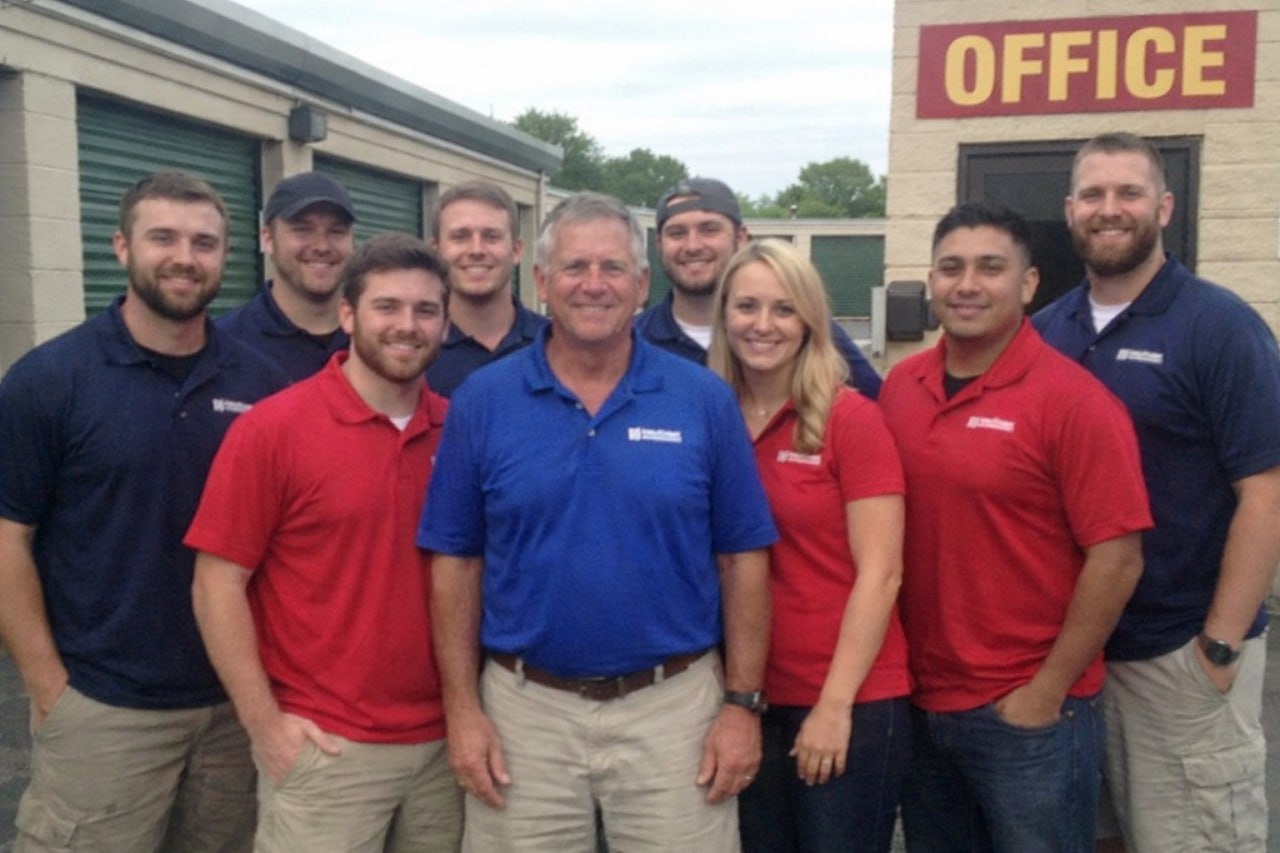
Toilet Overflow Cleanup team in Palm Coast, FL

Local Help Is Close By

When you call about toilet overflow cleanup, you reach a restoration team that works in Palm Coast every day. We tell you what it will take, give you a clear quote and get a crew moving.

Get a Free Quote Now

No Hidden Fees Licensed & Insured
Call (559) 379-356024/7 Emergency Response
Available now. Current wait time: 0-2 minutes
★★★★★ 4.96 / 5 stars (227 reviews)

Toilet Overflow Cleanup in Palm Coast: What to Know

An overflowing toilet seems like something towels can handle, except the water keeps moving past the tile. Some slips beneath the baseboard and into the wall, and some drops through the opening around the drain pipe. The contents of that water matter more than anything. If it came from the tank or the supply line, it is clean. Water that came up through the bowl is not, and it has to be handled as contaminated.

The first thing our Palm Coast team does is identify the water category, since every later step depends on it. If it is clean, we extract it and dry the area. For gray or black water we wear protective gear, remove soaked porous items such as carpet pad, and disinfect each surface the water reached. Finally we meter the subfloor, the bottoms of the walls and the space underneath, so no moisture gets left behind.

Call (559) 379-3560 Now Free quote over the phone

What Happens After You Call

1

Determine the Water Type

Before any cleaning, our crew confirms whether this is supply water or water from the drain and bowl, and sets up containment and protective measures to match.

2

Extract and Remove

Standing water is extracted first. Contaminated drywall, baseboards or carpet pad come out where necessary, and the toilet is lifted when water has reached beneath the flange and base.

3

Clean and Disinfect

We clean the subfloor, fixtures, wall bases and floors, then treat them with antimicrobial products. When the water is Category 3, we finish this step before turning on any drying equipment.

4

Drying and Final Readings

The bathroom, plus any room below that got wet, is dried with dehumidifiers and air movers. Our crew keeps metering the subfloor and the ceiling until both read normal again.

Water Still Spreading?

Every hour of standing water adds to the repair. Call and we will get moving.

Call (559) 379-3560

What About Insurance?

A sudden and accidental overflow, for example from an unexpected clog or a fill valve that failed, is covered by many homeowners policies. Sewer or drain backup is often excluded without a backup endorsement on the policy, and an overflow from a blocked main line can fall under that exclusion. Damage from a toilet that leaked at the base for months is usually not covered. Your agent or the policy wording can tell you which situation you are in.

What Drives the Price

  • How long the water sat before extraction and cleanup began.
  • The type of bathroom flooring and whether it can be dried or must come up.
  • Whether the toilet is upstairs and the ceiling or walls below got wet.
  • If fixtures such as the toilet or the vanity must come out to reach wet material below.

For typical price ranges, see how much water damage costs in Palm Coast.

What Causes It

  • A child's toy, wipes or a wad of paper that gets flushed and sticks in the trap.
  • Supply lines that give out or tanks that crack, releasing clean water across the floor.
  • Water escaping at the base with every flush because the wax ring has worn out.
  • Waste water with nowhere to go because the septic tank is full or the drain field is saturated.
  • Bowl water pushed over the rim by a clog in the drain line or the trap.

Where the Damage Spreads

Swollen Baseboards and Trim

Baseboards and door casings sit right at floor level and soak up water from the bottom edge. Fiberboard trim, the most common kind, swells and splits and never returns to shape.

Vanity and Drywall Wicking

Drywall edges and the vanity base stand in the water and draw it up like a wick. The wall can be wet several inches above the floor while the paint still looks fine.

Bacteria in Building Materials

Water from the drain or bowl deposits bacteria in drywall, baseboards, carpet and pad. Because disinfecting porous material is not reliable, it usually has to come out.

Lingering Odor

Contaminated water that dries inside a wall base or under flooring leaves a smell that returns in humid weather until the source material is taken out.

Toilet Overflow Cleanup Questions

Have a different question? Call us and we will answer it over the phone.

Call (559) 379-3560
It depends on the water category. Clean water from the supply side usually allows the carpet to be dried in place, provided cleanup starts quickly. Carpet pad soaked with bowl water is removed, because padding cannot be disinfected reliably. When the water held sewage, the carpet itself is usually taken out along with the pad.
That comes down to where it came from. Tank or supply line water is clean and rated Category 1. Bowl water starts at Category 2 and becomes Category 3 if there is waste in it or it backed up from the sewer. Bacteria and viruses can be in that water, which is why you should stay out and avoid touching it.
Yes, once whatever absorbed the contamination has been disinfected or taken out. When a smell hangs on, the usual cause is contaminated water left to dry below flooring or in the bottom of a wall. Sprays and air fresheners only cover it for a while. Using meters, we track down the source, disinfect the surfaces that can stay and remove those that cannot.
If it is a little clean water on tile and you get to it immediately, a mop and a fan are usually enough. Bring in a crew if the overflow was from the bowl, spread to another room or onto carpet, sat beyond a few hours, or passed through to the room underneath. Those situations need disinfection or drying you cannot do with towels.
A stain tells you water has collected in the insulation or on the drywall's upper side. Keep clear of any section that is sagging, and shut off electricity to lights in that area. Using meters, we locate the wet area, safely let out trapped water, then dry or cut out that part. Ceiling material that took in contaminated water normally needs replacing.

Get Toilet Overflow Cleanup Help Today

Don't wait for small problems to become expensive emergencies. Call Palm Coast Restoration for fast, reliable service.

Call (559) 379-3560 Now
Need Help Fast? Call NowFast Response Time